IP Ratings for Outdoor TVs: What IP65, IP66, and IP68 Mean for Your YOLO TV
IP ratings are the international standard that says whether an outdoor TV survives dust and water. Here is how IP65, IP66, and IP68 compare, and how YOLO TV matches each rating to its install environment.
In This Guide
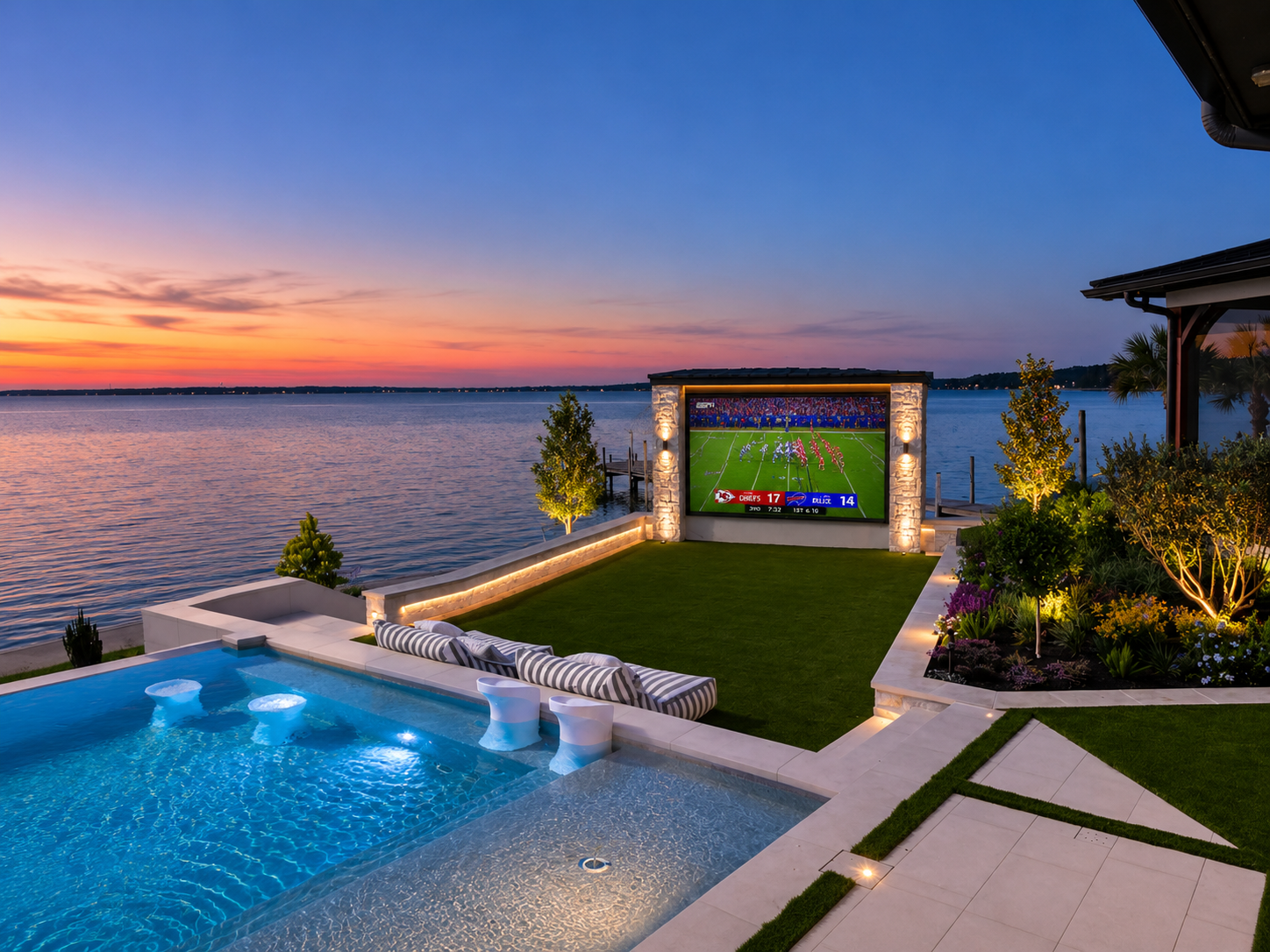
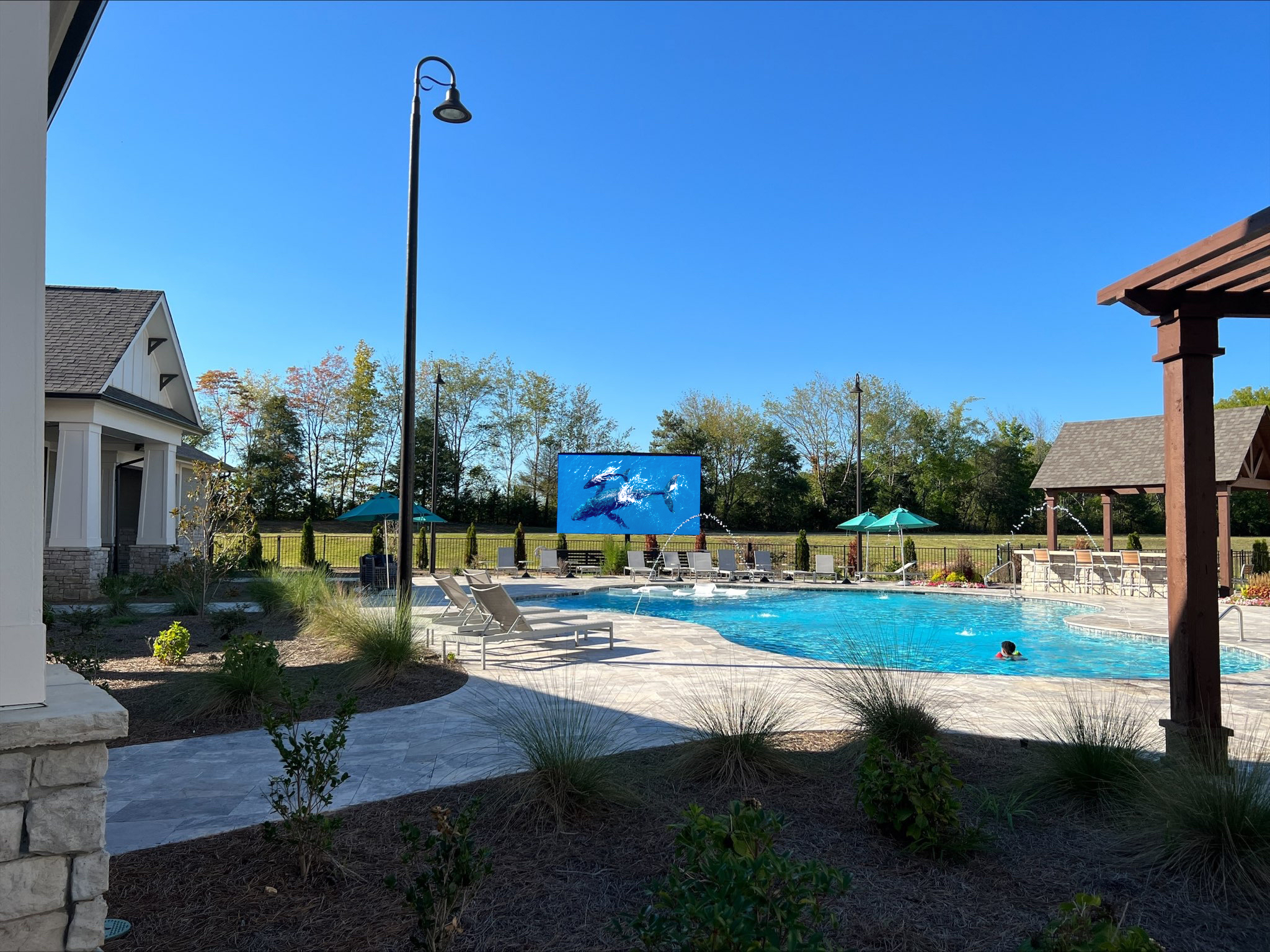
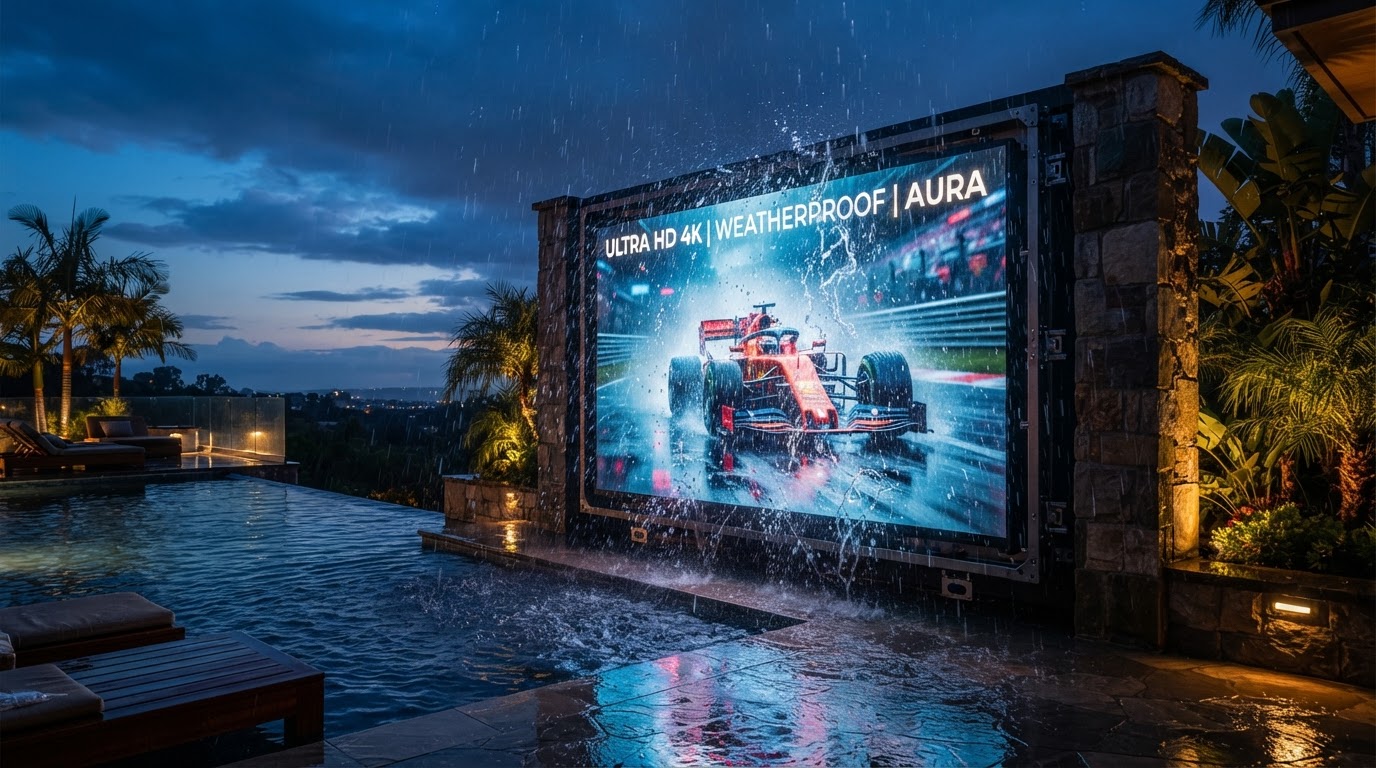
An outdoor TV faces conditions no indoor display will ever meet: wind-driven rain, pool splash, pollen, dust, and humidity that shifts with the seasons. The spec that says whether a screen can survive that environment is its IP rating, and unlike the word "weatherproof," it is a defined international standard, not marketing language.
This guide breaks down what IP65, IP66, and IP68 actually certify, how the three compare, and how YOLO TV matches the right ingress-protection level to each install instead of forcing every display into a single spec. For a quick look at the most common rating, see What Is the Difference Between IP65 and Standard Weatherproofing?.
What an IP rating actually measures
IP stands for Ingress Protection, defined by the international standard IEC 60529. It rates how well an enclosure seals out solid particles and liquid, and the two digits after "IP" are read independently:
- First digit (solids, 0–6): How well the enclosure blocks dust, dirt, and pollen. A 6 is the maximum, the cabinet is completely dust-tight, so fine particles cannot reach the electronics.
- Second digit (liquids, 0–9K): How well it handles water, from light splashing up to high-pressure jets and, at the top of the scale, continuous immersion.
For outdoor TVs the ratings that matter are IP65, IP66, and IP68. All three begin with a 6, fully dust-tight, and differ only in the second digit, the level of water protection.
The first digit answers "how well does it keep dust out?" The second answers "how much water can it take?" An outdoor TV needs strong scores on both.
IP65 vs. IP66 vs. IP68: how the ratings compare
There is no single "best" IP rating. The right choice depends on how directly the screen is exposed to weather and how the space is used.
| Rating | Dust | Water protection | Best fit |
|---|---|---|---|
| IP65 | Fully dust-tight | Low-pressure water jets from any direction | Covered patios, outdoor kitchens, shaded structures, indirect rain |
| IP66 | Fully dust-tight | Powerful high-pressure water jets from any angle | Open-air installs, direct frequent rain, hose-down cleaning |
| IP68 | Fully dust-tight | Continuous immersion under specified conditions | Demanding sites with heavy rain, standing water, harsh exposure |
The gap between IP65 and IP66 is about pressure. Both keep water out, but IP66 is built to take stronger jets, useful when a screen sits fully exposed or gets pressure-washed. The jump to IP68 adds sustained water immersion under defined conditions. No outdoor TV is meant to live underwater, but IP68 gives the most headroom for the most demanding environments.
How YOLO TV matches the rating to the install
Rather than shipping every display at one fixed rating, YOLO TV engineers outdoor systems across an IP65–IP68 range. The rating that lands on your project depends on:
- Cabinet construction, the enclosure design and seal strategy.
- LED technology and module selection, how individual tiles are sealed at the edges.
- System configuration, fixed, lift, or rotated assemblies and the joints they introduce.
- Installation environment, backyard orientation, distance to water, wind exposure, and direct sun.
- Required level of ingress protection, matching the seal to the actual risk, not over- or under-engineering it.
The goal is protection that fits the environment. A covered lanai does not need the same seal strategy as a screen mounted in open air beside a lake, and forcing one rating onto both is either wasted cost or unnecessary risk. Brightness and weatherproofing work together, the nit count decides whether you can see the image, and the IP rating decides whether it survives the elements.
Send photos and details of your outdoor space to the YOLO TV team. The install environment drives the rating recommendation, so the more context we have, the more reliable the long-term result.
What proper IP protection means in practice
A correctly rated weather-sealed display removes a category of worry from owning an outdoor TV:
- Accidental sprinkler hits, direct spray from automated irrigation will not penetrate the cabinet when the rating matches the exposure.
- Maintenance you can actually do, dirt and outdoor grime can be cleaned off the cabinet within the limits of its IP rating without risking liquid intrusion into the electronics.
- All-season durability, sealed enclosures block the moisture and humidity that cause corrosion over time, so the display holds up through heat, cold, rain, and seasonal change.
Quick reference
- IP65, dust-tight, low-pressure jets. Covered and semi-exposed spaces.
- IP66, dust-tight, high-pressure jets. Open-air and weather-exposed installs.
- IP68, dust-tight, immersion-rated. The most demanding environments.
- All YOLO TV outdoor displays are built for permanent outdoor placement.
The bottom line for outdoor TV weatherproofing
An IP rating is the structural standard that determines whether a high-end display lasts outdoors, and no single rating defines every YOLO TV. Outdoor systems are engineered for permanent placement with flexible configurations from 4,000 to 7,000 nits of brightness and IP65–IP68 weather protection built around the specific environment, cabinet design, and install requirements of the project.
The next step is matching that rating to your space, and that starts with sharing your backyard orientation with the engineering team.
Frequently Asked Questions
Quick answers to the questions homeowners ask most.
For a covered patio, outdoor kitchen, or shaded structure with only occasional wind-blown rain, yes. IP65 is fully dust-tight and rated against low-pressure water jets. For open-air installs that take direct, frequent rain, step up to IP66.
Usually not. IP68 covers continuous immersion under specified conditions, which most backyards never require. It becomes relevant in the most demanding sites, heavy standing water or harsh prolonged exposure, or when the install environment genuinely warrants maximum headroom.
IP66 is rated against powerful high-pressure water jets, so careful cleaning within that rating is acceptable. Always follow the manufacturer's guidance on water pressure and avoid spraying directly into seams or access points.
Because the install environment varies. Cabinet construction, module seals, system configuration, and exposure all change which rating is correct. Matching the seal to the actual risk protects the display without over-engineering the system.
It measures protection against solids on a 0–6 scale. A 6, the maximum, means the enclosure is completely dust-tight, so fine particles, pollen, and dirt cannot reach the electronics.
Written by YOLO TV Engineering
YOLO TV designs and installs luxury outdoor TVs, hidden Rise™ TV systems, and custom outdoor entertainment solutions for homeowners, builders, architects, designers, and AV integrators. Our engineering team specializes in creating unforgettable outdoor viewing experiences.
Standard Specifications
- IP Rating Range
- IP65 – IP68
- Dust Protection
- Fully dust-tight (6)
- Water Protection
- Jets to immersion
- Brightness Range
- 4,000 – 7,000 Nits
Find the Right Display for Your Outdoor Space
Send YOLO TV a few pictures of your backyard, your installation address, and your approximate viewing distance. We'll help determine the size, brightness, and configuration that make sense for your space.
You May Also Like
More guides and case studies from the YOLO TV engineering team.