The Importance of 5,000 Nits for Outdoor TV Viewing
Below 5,000 nits, a screen stops being a TV and becomes a mirror. Here is why 5,000 is the floor, and why 6,000 is the safe number.
In This Guide
There is a brightness threshold below which an outdoor screen stops being a television and starts being a mirror. That threshold is roughly 5,000 nits.
Why 5,000 Is the Floor
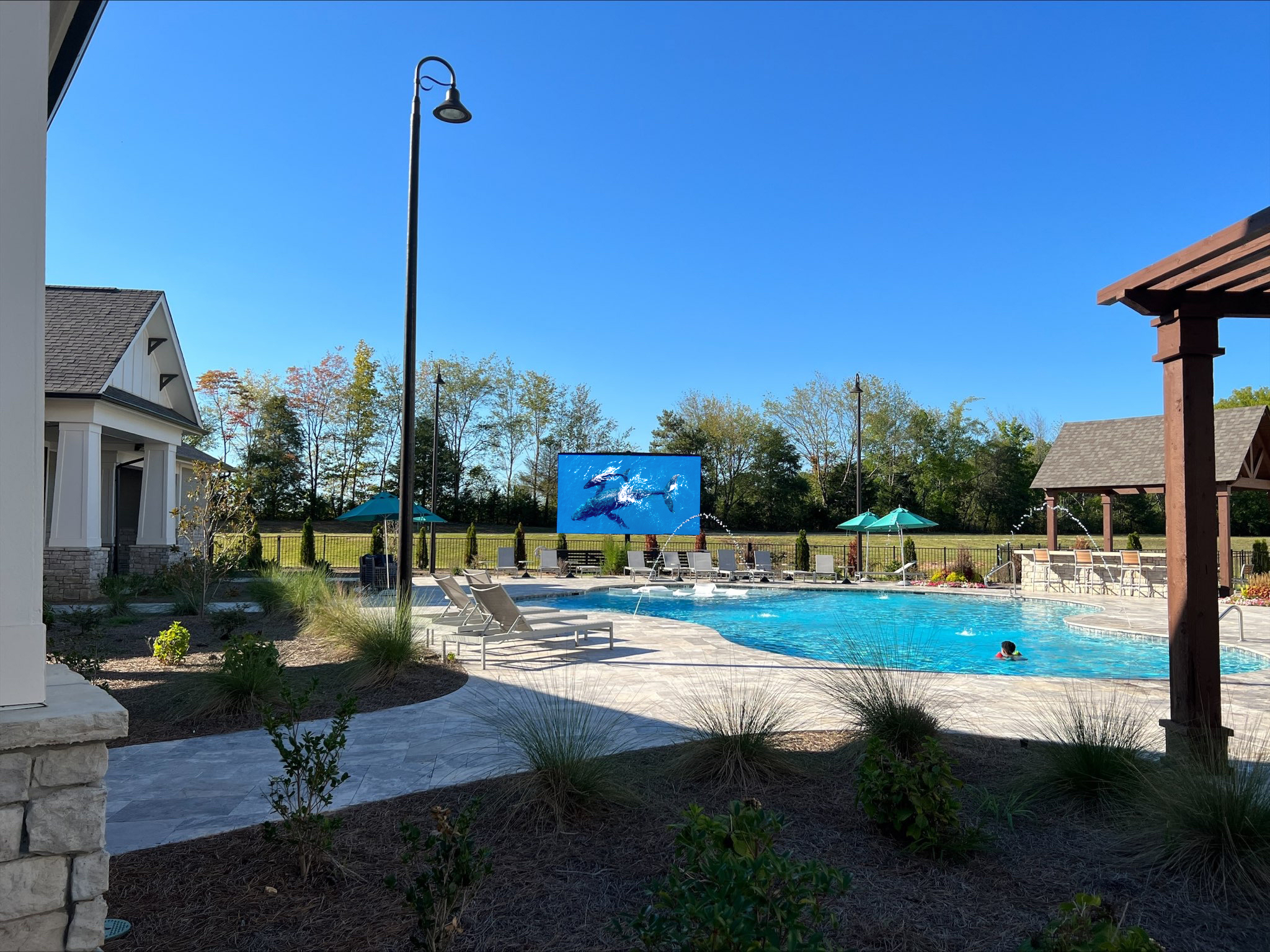
A panel becomes comfortably legible in direct sunlight once it clears roughly 5,000 nits. Below that, ambient light overwhelms the emitted image and the glass turns reflective, the screen shows the sky, not the game.
| Condition | Minimum Nits | Recommended |
|---|---|---|
| Shaded patio / covered lanai | 2,500 | 3,500 |
| Partial sun, morning or evening | 3,500 | 5,000 |
| Full direct midday sun | 5,000 | 6,000+ |
Why 6,000 Is the Safe Number
Midday sun can hit 100,000 lux at the panel surface. A 6,000-nit display maintains enough contrast ratio to keep colors saturated and text crisp under that load.
YOLO TV outdoor displays are engineered specifically for demanding outdoor environments. Our standard outdoor systems deliver approximately 6,000 nits of brightness, with configurations available from 4,000 to 7,000 nits based on the application. Recommended brightness depends on factors such as screen orientation, direct sun exposure, viewing time, pixel pitch, geographic location, and intended use.
Consumer "outdoor" TVs, typically 700–1,500 nits, are built for shade, not sun. They clear the floor for a covered porch and fail it the moment they face the sky.
Brightness Is Measured, Not Marketed
Always ask for the verified nit rating, not the marketing peak. "High brightness" without a number is not a specification.
Auto-Dimming and Longevity
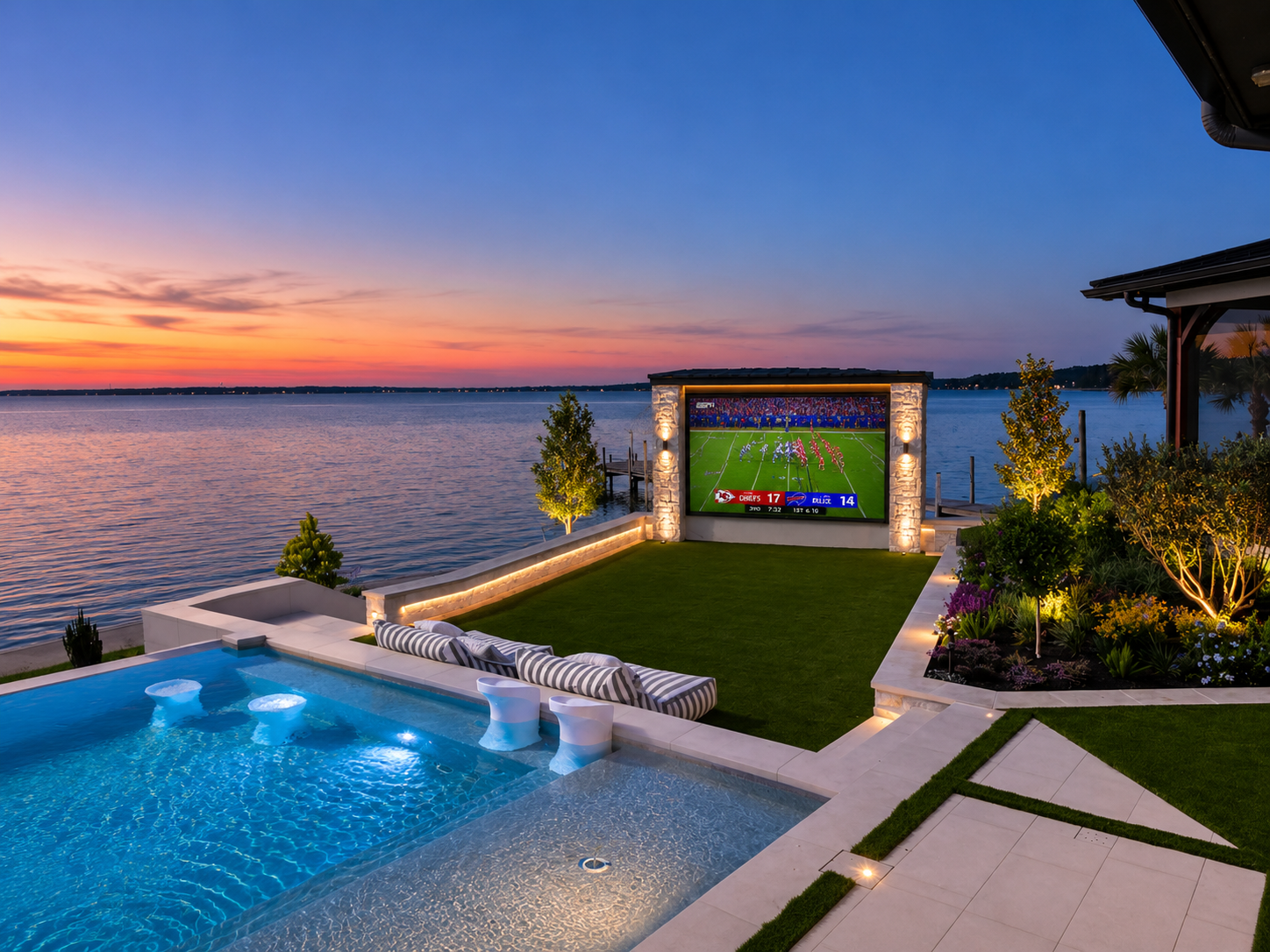
High-brightness panels generate heat. A well-engineered system auto-dims at dusk to extend LED life and reduce power draw, dropping to a comfortable 1,500 nits at night without losing contrast against a dark sky.
Every YOLO TV residential display is backed by our industry-leading 5-Year Peace of Mind Parts Warranty. Covered YOLO TV components are protected for five years, and because our LED systems are modular, many parts can be replaced individually without replacing the entire display. On-site service, technician travel, shipping, and third-party labor may be separate unless specifically included in your agreement.
The Takeaway
If your install faces direct sun for any part of the day, 5,000 nits is the floor, and 6,000 is the safe number. YOLO TV's 4,000–7,000-nit range gives you the headroom to match brightness to screen orientation, sun exposure, and geography. Anything less forces you to wait until dusk or build expensive shade structures.
Frequently Asked Questions
Quick answers to the questions homeowners ask most.
Below roughly 5,000 nits, ambient daylight overwhelms the emitted image and the screen surface turns reflective. At 5,000-plus nits, the display maintains enough contrast to stay legible in direct sun.
For direct midday sun, 5,000 is the floor. YOLO TV standard outdoor systems deliver approximately 6,000 nits to provide headroom above the threshold. For west-facing or high-reflection installations, configurations up to 7,000 nits are available.
The image washes out. Ambient light overpowers the emitted pixels and the screen mirrors the sky rather than showing content. Consumer outdoor TVs at 700 to 1,500 nits fail this test immediately in direct sun.
For most residential installs, 6,000 nits is sufficient. For west-facing walls, reflective water surfaces, or commercial venues with intense ambient light, configurations up to 7,000 nits provide additional headroom.
Written by YOLO TV Engineering
YOLO TV designs and installs luxury outdoor TVs, hidden Rise™ TV systems, and custom outdoor entertainment solutions for homeowners, builders, architects, designers, and AV integrators. Our engineering team specializes in creating unforgettable outdoor viewing experiences.
Standard Specifications
- Daylight Floor
- 5,000 Nits
- Safe Number
- 6,000 Nits (4,000–7,000 range)
- Auto-Dim at Dusk
- Yes, 1,500 nits
- LED Lifespan
- 100,000 hours
Find the Right Display for Your Outdoor Space
Send YOLO TV a few pictures of your backyard, your installation address, and your approximate viewing distance. We'll help determine the size, brightness, and configuration that make sense for your space.
You May Also Like
More guides and case studies from the YOLO TV engineering team.