Outdoor Entertainment Oasis: YOLO TV Shines Bright in Austin, Texas
Explore how a poolside 158" pole-mounted YOLO TV transformed an Austin Texas property into an uncompromised sports and outdoor cinema sanctuary.
In This Guide
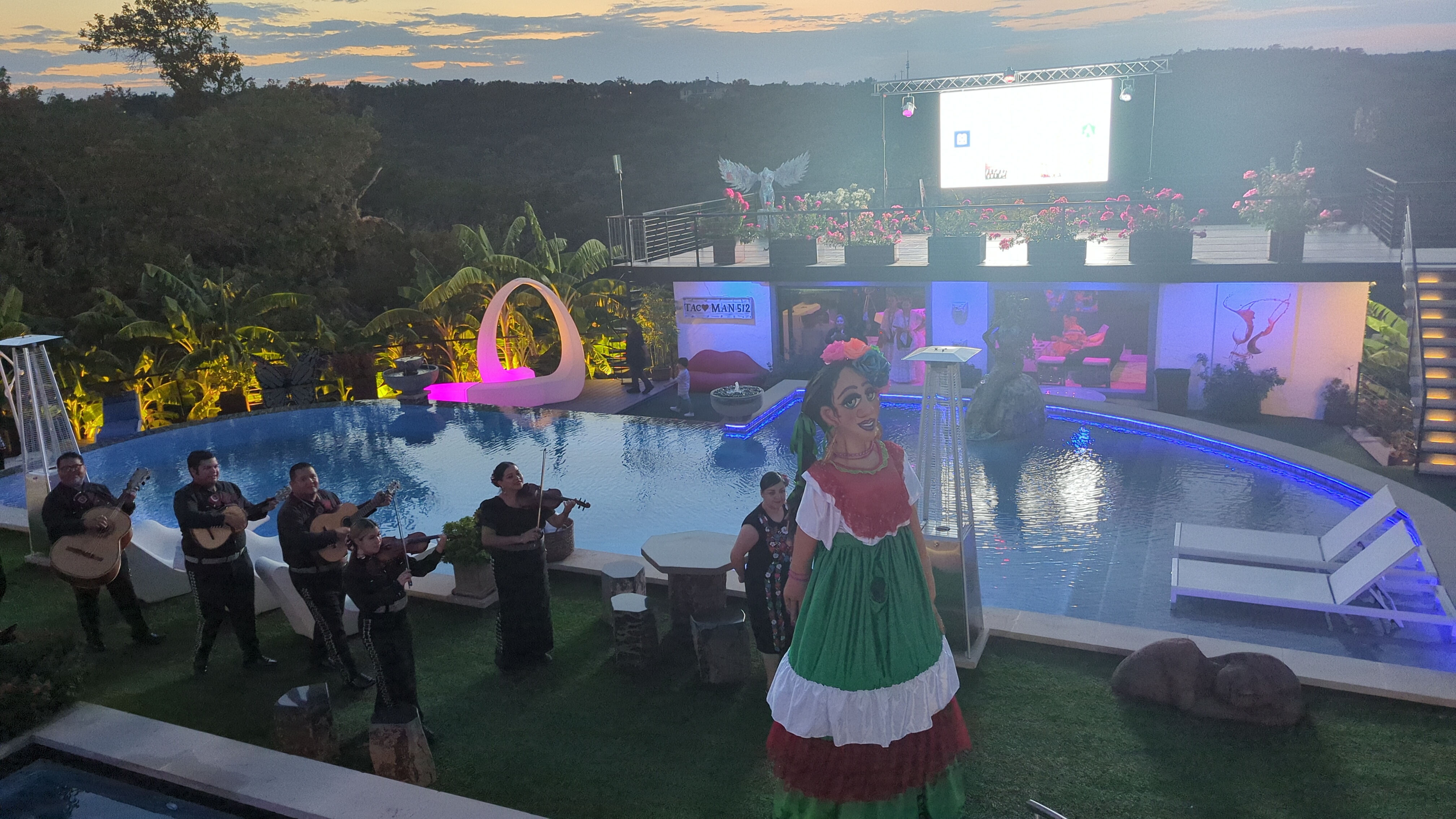
Austin, Texas is famous for its vibrant outdoor culture, warm evenings, and passion for sports. Designing a high-end backyard entertainment space in Central Texas, though, presents a real engineering challenge: intense afternoon sun, sustained high heat, and humidity that can run for months at a stretch.
Standard residential TVs mounted under patios struggle with glare and quickly degrade in extreme summer temperatures. A screen that looks sharp in a climate-controlled living room can turn dim, washed out, and unreliable the moment it has to compete with a Texas sky.
Beating the Austin Afternoon Sun
To enjoy game-day watch parties or poolside movie nights during Texas summers, brightness is non-negotiable. The sun in Central Texas is not a occasional inconvenience, it is the dominant lighting condition for most of the day, and any display that cannot outpace it becomes a reflective surface instead of a screen.
With 6,000 nits of daylight brightness, the 158" YOLO TV cuts through direct Texas glare without requiring protective hoods, shade structures, or tinted enclosures. The picture stays legible from across the pool, from the outdoor kitchen, and from seating areas set farther back on the patio, the kind of viewing distance that a smaller, dimmer screen simply cannot serve.
Why indoor brightness fails outdoors
A typical indoor television is engineered for a room where the brightest light source is a lamp or a window with curtains. It outputs a fraction of the light the sun delivers, and its contrast is tuned for controlled conditions. Outdoors, that same panel is overwhelmed: ambient light floods the surface, colors flatten, and shadows disappear into gray. The result is a screen you have to squint at, or give up on entirely, during the hours you actually want to watch.
Matching brightness to the space
Not every Austin backyard needs the same configuration. A covered lanai that faces east and shades over by noon can perform well at a lower end of the brightness range, while an open pool deck that faces west and takes the full afternoon sun benefits from the top of the available range. The right choice depends on where the screen sits, which way it faces, and when you plan to watch.
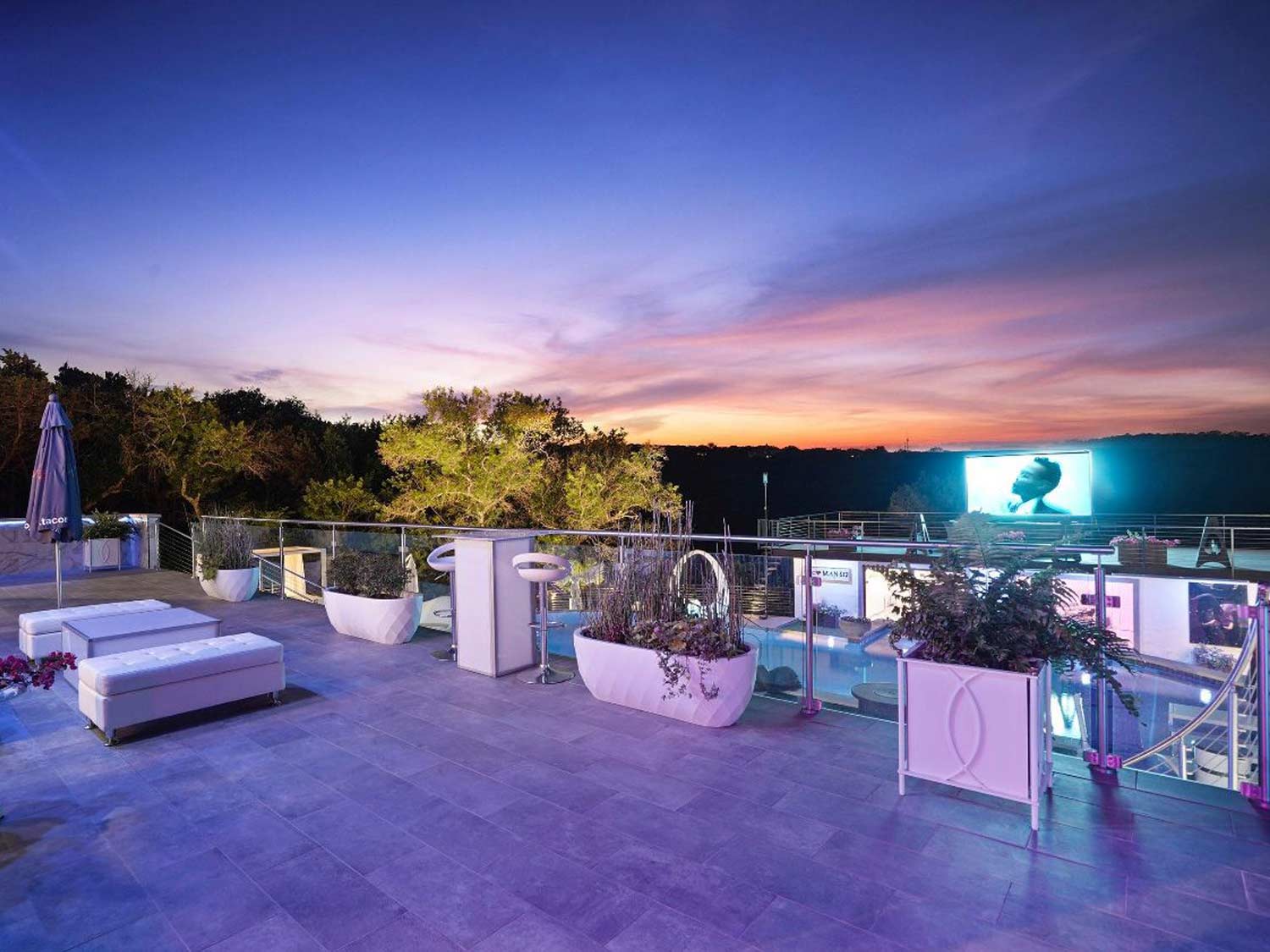
The same screen stays legible from the outdoor kitchen to the far edge of the patio.
Engineered for Texas Humidity & Heat
Heat is the silent factor that shortens the life of outdoor electronics. Sustained high temperatures stress power supplies, controllers, and junctions, the components that fail first. A display built for occasional outdoor use will cycle through extreme temperature swings every day, and that cycling is what ages the hardware.
YOLO TV outdoor displays are engineered specifically for demanding outdoor environments. Our standard outdoor systems deliver approximately 6,000 nits of brightness, with configurations available from 4,000 to 7,000 nits based on the application.
Outdoor systems are available with IP65–IP68 ingress-protection ratings, depending on the specific display configuration and installation environment. Ingress-protection requirements can vary based on cabinet and module construction, system configuration, installation environment, and the level of weather protection required.
Every YOLO TV residential display is backed by our industry-leading 5-Year Peace of Mind Parts Warranty. Covered YOLO TV components are protected for five years, and because our LED systems are modular, many parts can be replaced individually without replacing the entire display. On-site service, technician travel, shipping, and third-party labor may be separate unless specifically included in your agreement.
Pole Mounting and Sightlines on a Pool Deck
A pole-mounted installation is often the cleanest answer for a poolside property. It keeps the display off the house wall, frees the architecture, and lets the screen become a freestanding focal point that serves seating on every side of the pool. The trade-off is structural: a pole mount has to be engineered for wind load, anchored properly, and wired so that power and signal reach the display without exposed runs.
For an Austin pool deck, pole mounting also solves a viewing-angle problem. Guests watch from loungers, from the water, and from the kitchen, not from a single fixed seat. A large-format display mounted at the right height and orientation holds consistent color and brightness across that wide audience instead of serving only the dead-center viewer.
Planning the Signal Path Before You Build
The screen is only half the system. Where the streaming box, receiver, or AV distribution lives, and how the signal reaches the display, has to be planned during the backyard build, not after. Standard HDMI cables only run so far before the picture becomes unreliable, so longer runs need the right extension method.
In an Austin install, the source equipment often lives indoors in a protected rack, with the signal run out to the display. That keeps the hardware out of the heat and humidity and makes it easy to upgrade the streaming box years later without touching the screen. Getting that path right during construction means you never think about it again.
A Backyard Built for Gathering
The point of a large outdoor display is not the hardware, it is what the hardware makes possible. A football Saturday becomes a backyard event. A movie becomes a family night by the pool. Friends gather in one place instead of scattering across the property.
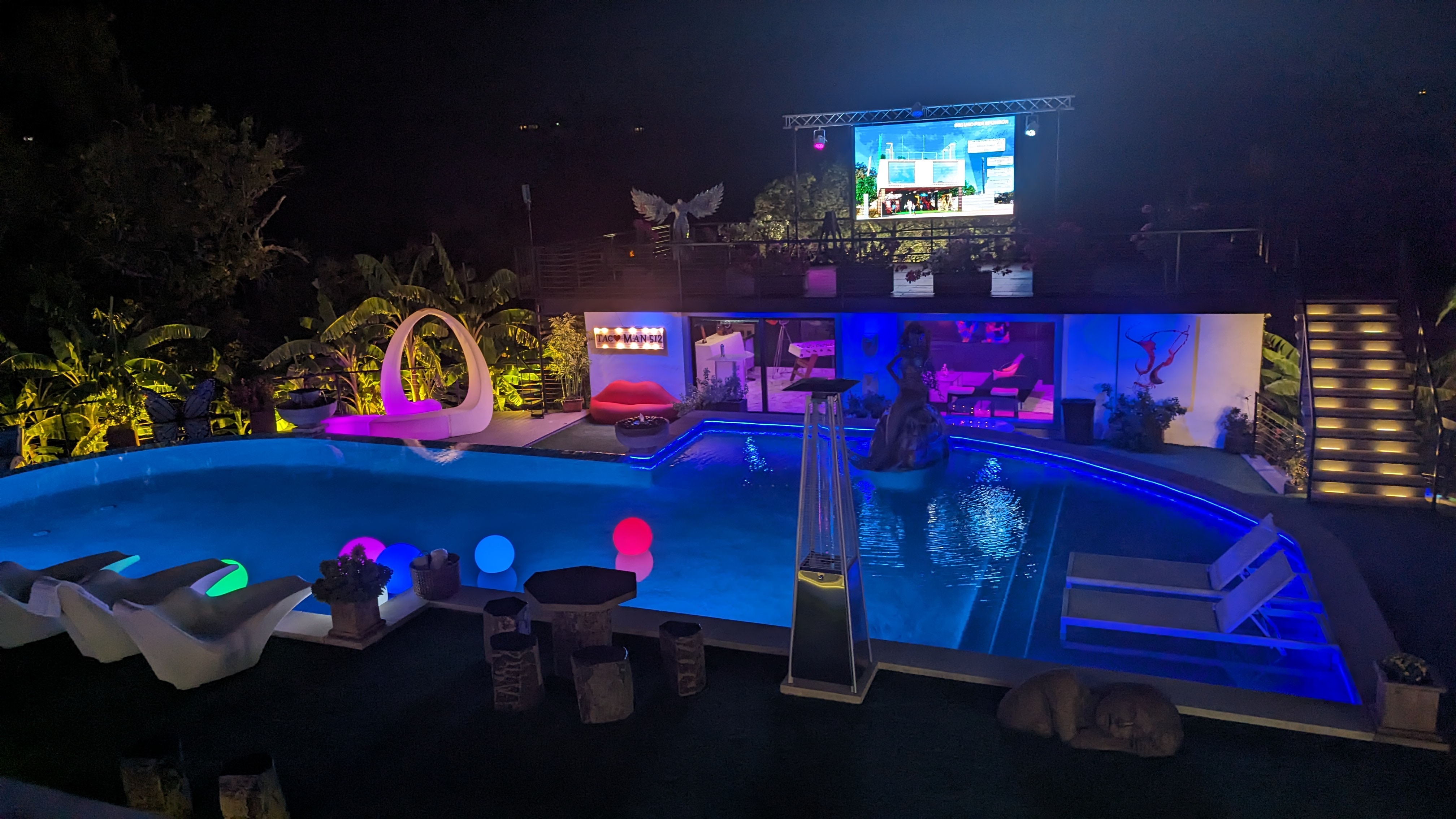
As the sun sets, the display becomes the backdrop for an evening by the pool.
WATCH: YOLO TV client testimonials, hear directly from Austin homeowners about their poolside installs.
For an Austin homeowner, a properly engineered outdoor TV turns an already-good backyard into the space everyone gravitates toward. It connects the pool, the kitchen, and the patio into a single entertainment environment that works in the brightest part of the day and the coolest part of the evening.
Key Takeaway: Commercial-grade high-brightness displays and IP65–IP68 weather sealing allow Austin homeowners to enjoy sports and movies poolside year-round, with a system engineered to stay outdoors permanently.
Frequently Asked Questions
Quick answers to the questions homeowners ask most.
For open, sun-exposed Austin backyards, plan for the top of the available brightness range. Covered or shaded spaces can perform well lower in the range. The right number depends on orientation, sun exposure, and when you watch.
YOLO TV outdoor systems are engineered for demanding exterior environments, with weather sealing matched to the installation. The display is built to stay outdoors permanently rather than being brought inside after each use.
A pole mount is a common choice for pool decks because it serves wide seating and keeps the display off the house. It must be engineered for wind load and wired so power and signal reach the display safely.
Most standard installations are completed in 1–2 days after the site has been properly prepared. Complex installations and Rise™ systems may require additional time.
Written by Brian Bachman
YOLO TV designs and installs luxury outdoor TVs, hidden Rise™ TV systems, and custom outdoor entertainment solutions for homeowners, builders, architects, designers, and AV integrators. Our engineering team specializes in creating unforgettable outdoor viewing experiences.
Standard Specifications
- Location
- Austin, Texas
- Screen Size
- 158 Inches Diagonal
- Brightness
- 6,000 Nits Direct Sunlight
- Weather Rating
- IP65–IP68 Heavy-Duty Outdoor
Find the Right Display for Your Outdoor Space
Send YOLO TV a few pictures of your backyard, your installation address, and your approximate viewing distance. We'll help determine the size, brightness, and configuration that make sense for your space.
You May Also Like
More guides and case studies from the YOLO TV engineering team.


